DESJI Demands Probe, Accountability Over Flooding Linked to Midim–Etim Ekpo Road Project

DESJI Demands Probe, Accountability Over Flooding Linked to Midim–Etim Ekpo Road Project
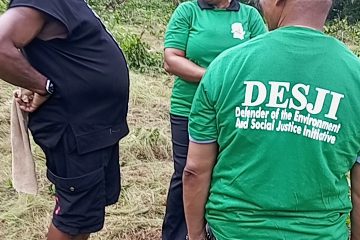
The Defender of Environment and Social Justice Initiative (DESJI) has called for an urgent and independent investigation into the recent flooding and erosion incidents in Midim Community, alleging that the situation may be connected to the ongoing Midim–Etim Ekpo Road Project.
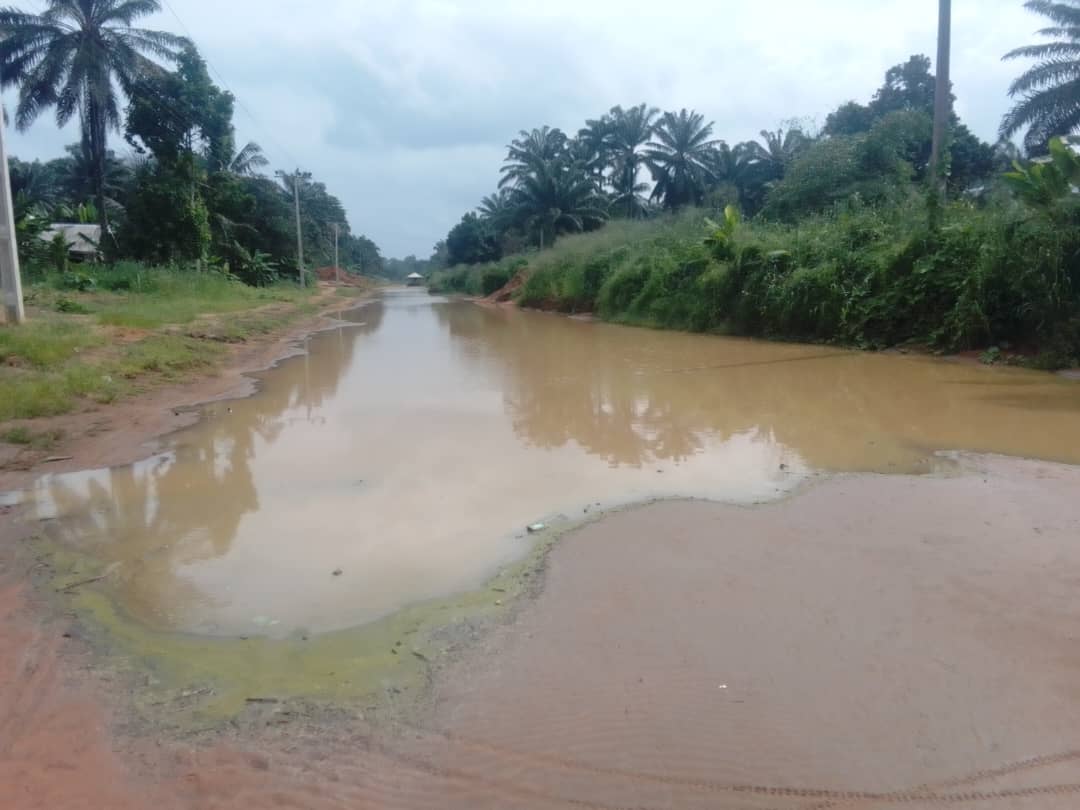
In a media statement issued on Monday and signed by its representative, Victor Udom, the organization expressed deep concern over reports and images showing extensive flooding that reportedly affected homes, farms, businesses, and livelihoods within the community.
DESJI extended sympathy to Mr. Udeme Jonah Umoh, his four little children, Madam Grace Jonah an aged mother and widow, other residents who narrowly survived the flood and building collapse even though they suffered property losses as a result of the flooding, while commending community members and concerned citizens for consistently drawing public attention to issues surrounding the project despite challenges.
According to the organization, the flooding incidents should not be viewed as isolated events but as the culmination of concerns that had been repeatedly raised by stakeholders, affected residents, and civil society groups throughout the implementation of the road project.
The group noted that the Midim–Etim Ekpo Road Project was the outcome of years of collective advocacy, consultations, memoranda, and appeals by community leaders, professionals, and citizens across Etim Ekpo and Essien Udim Local Government Areas, rather than the achievement of any individual.
DESJI further stated that available records indicate that before the project’s approval, an indigenous engineering firm facilitated the necessary processes through the Ministry of Works, prepared the Bill of Engineering Measurement and Evaluation (BEME), and played a key role in ensuring that the project was captured in the state budget. It added that recommendations from more than seven beneficiary communities were also submitted to Governor Umo Eno in support of the project.
However, the organization alleged that following the approval of the project, controversies emerged regarding attempts by certain individuals to dominate community engagement processes, stakeholder representation, compensation administration, and project-related communications. It noted that various complaints were reportedly submitted to the Ministry of Works by concerned residents and stakeholders, but many of the issues remain unresolved.
DESJI expressed particular concern over allegations surrounding compensation payments to individuals affected by the project corridor. According to the group, several residents have claimed that the compensation process lacked transparency, with some beneficiaries allegedly receiving reduced payments while others were excluded entirely.
The organization stressed that such allegations warrant a thorough and independent investigation, as well as public clarification by the relevant authorities.
It also raised concerns over the Environmental Impact Assessment (EIA) process, drainage infrastructure, flood-control measures, and compliance with approved engineering specifications.
DESJI recalled that several stakeholders had earlier complained about a purported manipulation of EIA exercise and warned that inadequate attention to environmental and drainage issues could expose communities to flooding, erosion, and property destruction. It sighted a petition earlier addressed to relevant institutions seeking to challenge what it considered a mere cosmetic exercise.
The recent flooding, the group said, appears to validate those concerns and underscores the need for an immediate technical assessment of the project.
DESJI further disclosed that it had previously sought information from the Ministry of Works under the Freedom of Information Act regarding environmental compliance, compensation administration, stakeholder engagement, project implementation procedures, and allegations of unauthorized deductions from compensation payments.
The organization lamented that its requests had yet to receive comprehensive responses, describing the situation as an accountability gap that has weakened public confidence and fueled avoidable controversies around an important public infrastructure project.
Consequently, DESJI called on Governor Umo Eno, the Akwa Ibom State Ministry of Works and Fire Service, the Akwa Ibom State House of Assembly, environmental and regulatory agencies, the Public Complaints Commission, anti-corruption bodies, civil society organizations, and professional institutions to undertake a comprehensive and independent review of the project.
The proposed review, according to the group, should examine compliance with approved engineering designs, the adequacy of drainage and flood-control infrastructure, Environmental Impact Assessment implementation, compensation payments, allegations of unauthorized deductions, stakeholder participation processes, and reported cases of exclusion, intimidation, or abuse of influence during project administration.
The organization also urged authorities to provide immediate relief and remediation measures for residents whose homes and livelihoods have been affected by flooding and erosion.
DESJI specifically appealed to Governor Umo Eno to direct the Ministry of Works to respond to all outstanding Freedom of Information requests and public accountability concerns relating to the project, emphasizing that transparency remains essential for restoring public confidence and ensuring the successful delivery of development projects.
While reiterating its support for infrastructure development, the organization maintained that development must be pursued with environmental responsibility, social justice, transparency, accountability, and respect for the welfare of affected communities.
“The people of Midim deserve answers. Families whose homes and livelihoods have been affected deserve justice. The public deserves transparency regarding the management of public projects and public funds,” the statement said.
DESJI therefore urged all relevant authorities to act swiftly and decisively in the interest of justice, environmental protection, accountability, and public confidence.