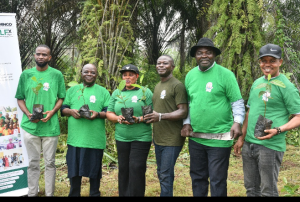
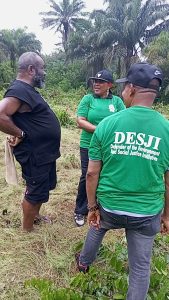
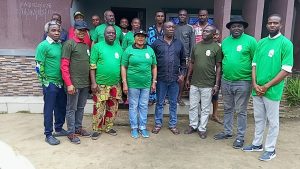
 Defender of the Environment and Social Justice Initiative (DESJI), a non-governmental organization, has emerged as a pivotal player in the field of Environmental Conservation, Social Justiceand catering to vulnerable persons and communities.
As we navigate through the complexities of environmental degradation, the importance of targeted intervention initiatives becomes increasingly pronounced.
Here, is just a summary of the significant accomplishments of DESJI, especially in the area of land conservation, environmental restoration and defense of Human right.
Background
Established with the mission to protect and sustain the environment while advocating for social justice, DESJI has been actively involved in various conservation projects ranging from STIM-Dwhich is in progress and over several life changing projects that empower local communities and emphasize ecological restoration.
Focused on high-impact areas, our initiatives prioritize the conservation of critical ecosystems, aiming not only to halt environmental degradation but also to enhance the living conditions of local populations through sustainable practices.
Achievements
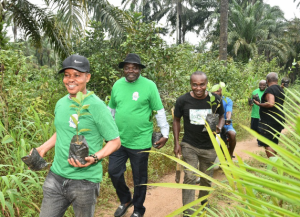
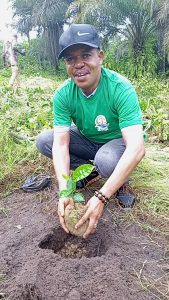
A significant milestone achieved by DESJI is the conservation of over large hectares of land through tree planting. This accomplishment reflects the committed efforts of our organization, combined with collaboration from local communities and other stakeholders. The conserved land comprises diverse ecosystems, each playing a crucial role in maintaining biodiversity and ecological balance.
1. Biodiversity Preservation: The conservation efforts have directly contributed to the preservation of various plant and animal species. Through careful management and habitat restoration projects, we have created environments conducive to the thriving of native species, many of which are endangered due to habitat loss and environmental changes.
2. Community Engagement: A core aspect of DESJI’s approach is community involvement. Engaging local populations has not only fostered a sense of ownership regarding the conservation efforts but has also educated individuals on the importance of sustainable practices. Workshops and training sessions have been conducted to equip communities with the knowledge and tools necessary for effective resource management, driving a community-led conservation model.
3. Ecosystem Management/Conservation: The conserved areas also include vital ecosystems that provide essential services, such as carbon sequestration, water filtration, and soil stabilization. By protecting these areas, DESJI contributes to combating climate change and mitigating its impacts on vulnerable communities. The role of these ecosystems in drought and flood prevention cannot be overstated, particularly in regions most susceptible to climate variability.
4. Sustainable Livelihoods: DESJI has successfully demonstrated that environmental conservation does not have to come at the expense of economic opportunity.
By promoting sustainable agricultural practices and eco-tourism, we have enabled local communities to benefit economically while preserving their natural heritage.
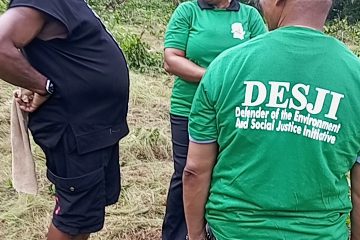
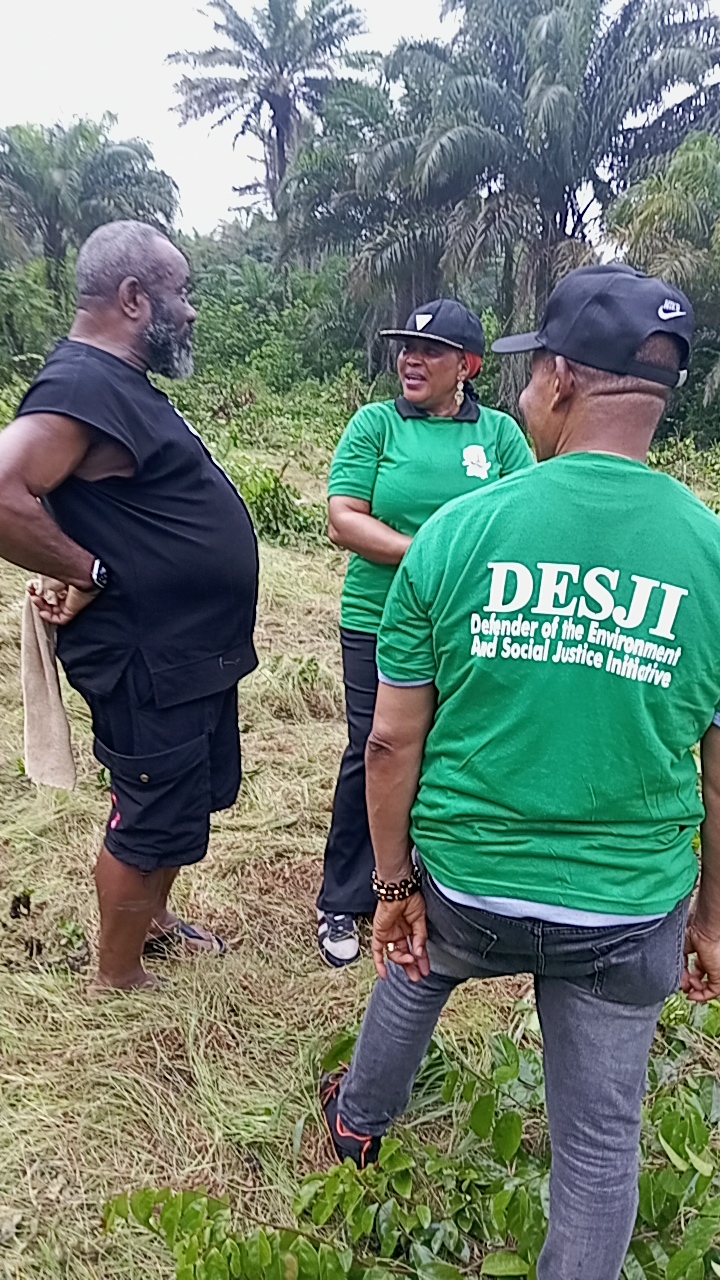
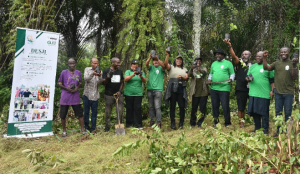
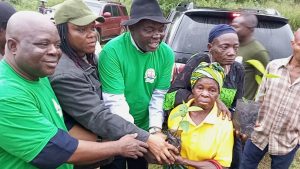
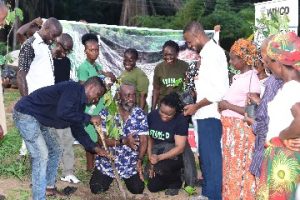
The progress made by the Defender of the Environment and Social Justice Initiative, especially in the conservation of land by planting over 1000 seedling of Jack tree in Midim Community, Essien Udim Local Government Area, Akwa Ibom state, Nigeria, showcases our commitment to environmental preservation and social equity.
The positive impacts of these conservation efforts highlight the necessity for support from voluntary organizations. To sustain and amplify these outcomes, it is crucial that we forge strong partnerships and secure additional resources that can support our initiatives
Ongoing Projects
DESJI is quickly building a plan of revisiting Ikot Abasi local government area in Akwa ibom state, Nigeria, for various projects ranging from tree planting and other environmental assessment activities among others.